
On April 7th, 2026 at 5:06 AM, President Trump declared in a Truth Social post that “a whole civilization will die tonight” when speaking of Iran. At 3:32 PM on the same day, President Trump stated that there will be a “double sided ceasefire”. While pundits and politicians may posture about the optics of the varied positions, most Americans are merely trying to understand what a ceasefire means for them in their daily lives.
What is a Ceasefire and How Long Do They Last? What’s in Iran’s Ceasefire Agreement? Possible Outcomes After the Announced Ceasefire in Iran How to Prepare for Any Alternative in the War with Iran What Happened to the Iran Ceasefire? Latest Updates Summary of the Ceasefire Agreement with Iran Table of Contents
Questions like “what is a ceasefire and how does it affect the price of gas” going forward are dominating the search engines. As such, we’re going to do our best to bring some clarity, as well as some potential outcomes. It is also important to note that the situation is evolving in real time and information can become outdated quickly. Here's the situation on the ground as of today. If you want to get ahead of any disruptions, you can check out our How to Build a CBRN Family Survival Kit article.
What is a Ceasefire and How Long Do They Last?

A ceasefire by definition is merely a cessation of hostilities. Both sides agree to stop active combat, often while negotiations for a formal peace are underway. History is full of examples of ceasefires that held and lasted, as well as those that fell apart. In some cases, a ceasefire can fall apart in as little as a few hours, which is why having essentials like a gas mask on hand before a situation escalates matters more than most people realize. In others, ceasefires have held for decades.
Perhaps the most notable ceasefire that has stood the test of time was the Korean War Armistice that ended hostilities between North Korea and U.N. forces defending South Korea. Technically, North Korea and South Korea are still in a state of war, but fighting stopped on July 27th, 1953. Though there have been skirmishes and incidents of violence along the way, the armistice has held for 73 years.
An example of a ceasefire that fell apart quickly would be the ceasefire which was supposed to end the fighting during the 2014 conflict between Israel and Hamas. That ceasefire lasted 2 hours before the fighting erupted again. Most people focus on the headline events and overlook the most critical survival essentials until it's too late. As it pertains to Iran, there was a ceasefire in place since June 25, 2025, which was put in place to end the fighting after Israel and the United States bombed Iran’s nuclear sites. That ceasefire ended on February 28th, 2026, with the most recent conflict.
There are even ceasefires that can erupt as a recognition of the mutual humanity shared by both sides. A great example would be the Christmas Truce where German and Allied troops left their trenches during the middle of World War 1 on Christmas Eve and shared songs, drinks, and, in some cases, exchanged gifts. The question everyone is asking today is: what kind of ceasefire do we have in Iran and how long will it last? Regardless of the answer, understanding how gas masks work and what protection they offer is a smart step for any family thinking through their preparedness plan.
What’s in Iran’s Ceasefire Agreement?
The ceasefire announced by President Trump indicated that Iran’s 10 point plan was an acceptable starting point for negotiations. As such, he announced a 2-week ceasefire where these negotiations were to take place. The ten points that Iran put forward were as follows:
-
An American guarantee of nonaggression with Iran.
-
Iran maintains control of the Strait of Hormuz.
-
Ending the regional war on all fronts, including against Iran’s ally, Hezbollah, in Lebanon.
-
Withdrawal of U.S. combat forces from all bases and positions in the region.
-
Reparations to Iran for war damages.
-
Acceptance of Iran’s right to nuclear enrichment.
-
Lifting all primary sanctions on Iran.
-
Lifting all secondary sanctions on Iran.
-
Termination of all resolutions against Iran by the International Atomic Energy Agency.
-
Termination of all United Nations Security Council resolutions against Iran.
While the President indicated that these were merely starting points for negotiations, it is unlikely that Iran would be able to succeed on all ten fronts. If Iran were able to achieve all ten on the other side of this conflict, it would be difficult to consider it anything other than a strategic victory in favor of Iran.
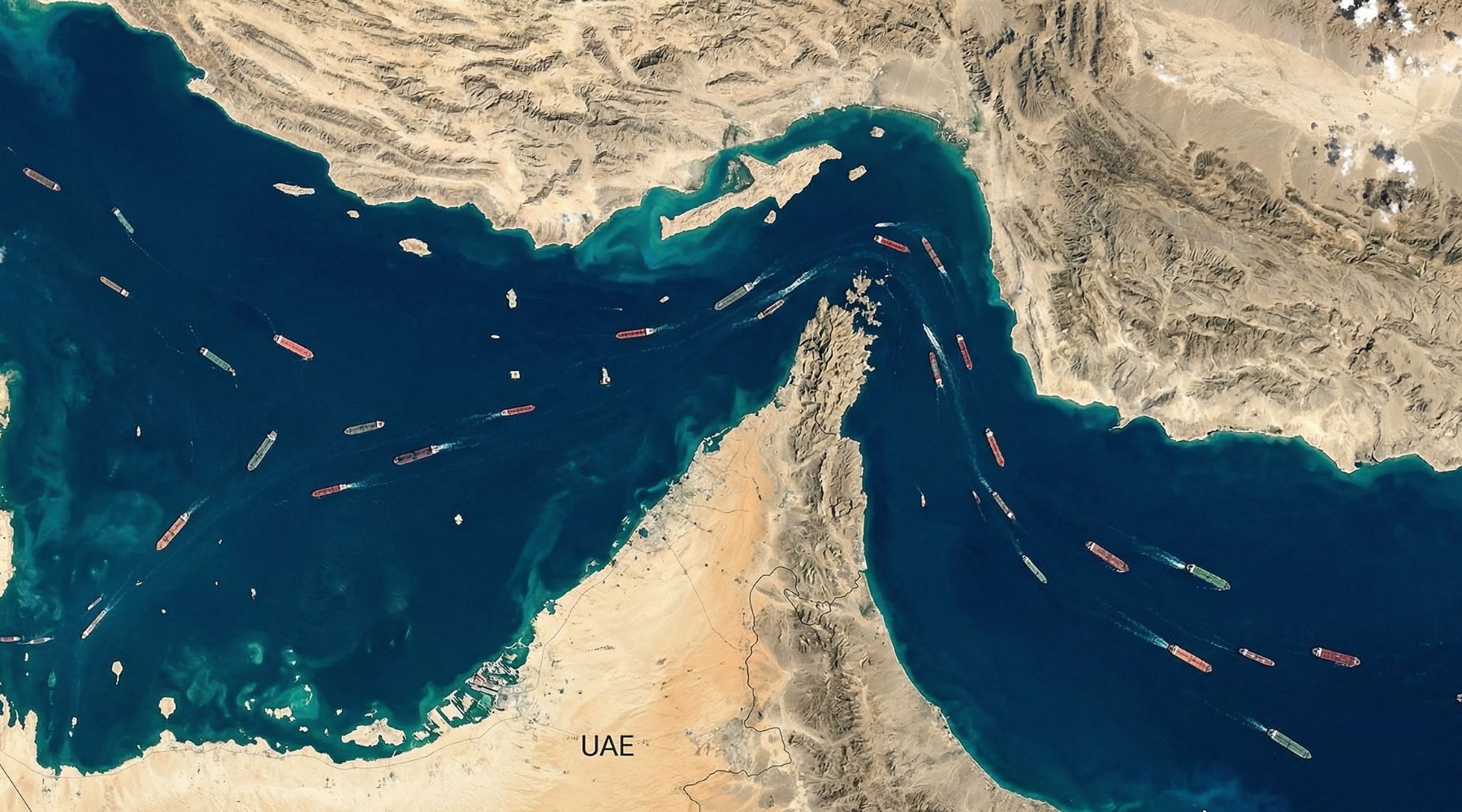
The U.S. has a significant force presence in the Gulf region to include the headquarters for the U.S. 5th Fleet. There are fixed bases and allies like Kuwait, Saudi Arabia, U.A.E. and Bahrain to whom we have pledged protection. As such, the likelihood of the U.S. withdrawing from the region is unlikely. In addition, Israel does not currently show any intent of ending the conflict in Lebanon. The day after the ceasefire was announced, Israel struck Beirut in an attack that killed over 180 people. Iran’s response was to announce that the Strait of Hormuz was closed again. In all reality, the ceasefire has never truly started.
Possible Outcomes After the Announced Ceasefire in Iran

Image source: Pexels
Thankfully, history gives us a few examples as to what to expect regarding the ceasefire. One possible option would be that the U.S. ends its involvement in the conflict, but the dispute continues without them. A great example would be the 1973 Paris Peace Accords which ended the U.S. involvement in Vietnam. The ceasefire didn’t hold as Saigon fell to the North in 1975, but it lasted long enough for the U.S. to get out. A more recent example would be the ending of the War in Afghanistan. In 2020, the U.S. signed an agreement that sought to end the U.S. involvement in Afghanistan. The U.S. exited and then Kabul fell to the Taliban in August of 2021.
With the midterm elections coming up in November, the U.S. has domestic political reasons to seek an exit to what is becoming an increasingly unpopular military conflict. Given history and these political factors, it is likely that the U.S. will be seeking to end its role in the conflict, even if it still continues between Israel and Iran. The other alternative is escalation and prolonged conflict that could last years, similar to what we saw in Vietnam, Iraq, and Afghanistan. It is uncertain whether U.S. policymakers and the public would support such a scenario.
How to Prepare for Any Alternative in the War with Iran

Even if the U.S. ends its involvement in the active conflict with Iran, it doesn’t bring an end to the global energy crisis that is erupting due to the closing of the strait. The longer the strait remains closed, the higher the price of gas and other petroleum based products will climb. Here at MIRA Safety®, we’ve been preparing for such a scenario, as many of our products use petroleum based materials. We’re doing our best to control prices as we believe a professional-grade gas mask should be in the reach of every American’s budget.
In the short term, a wide range of products in various industries will likely see price increases due to the price of oil. If you intend to stock up on resources, now will be cheaper than later. Stocking up is prepping 101 as supply chain disruptions would result from prolonged closure.
Approximately 20% to 30% of the world’s fertilizer was transiting through the Strait of Hormuz prior to the conflict. Food shortages won’t hit the United States first, but when the world starts feeling the impact, the global supply chain could become disrupted. Knowing what to stockpile before crisis is something every family should have a plan for.
We also recommend that, at an age appropriate level, you begin to prepare your family for more difficult times. Encouraging resilience and familiarity with potential sacrifices can be a part of family planning. A good starting point is building out your home emergency kit so your household is ready regardless of how events unfold. Currently, the U.S. military bears much of the burden, with active duty personnel comprising about 0.4% of the U.S. population. If the effects of this conflict reach U.S. territory, families who have prepared may be better able to cope in such scenarios.
What Happened To The Iran Ceasefire? Latest Updates
Since the ceasefire was first announced, the situation has deteriorated. Negotiations in Islamabad stretched for more than 21 hours before collapsing without an agreement. VP Vance departed Pakistan saying Iran had "chosen not to accept our terms," while Iranian officials said significant gaps remained between the two sides.
Following the breakdown, Trump declared a naval blockade on the Strait of Hormuz: a major escalation that signals the two-week ceasefire is effectively over before it truly began. With energy markets now facing fresh uncertainty, families that haven't yet thought through their preparedness plan should do so now. If you're considering adding respiratory protection to your kit, check out the best gas mask buyer's guide.
We will continue to update this article as the situation develops.
Summary of the Ceasefire Agreement with Iran
A ceasefire agreement is encouraging and worth pursuing, but current conditions do not indicate the conflict will end soon. Various parties have stated objectives that could prolong hostilities: Israel aims to control parts of southern Lebanon, Iran seeks influence over the Strait of Hormuz, and the U.S. has expressed a desire to reduce its involvement. These factors increase the risk of a prolonged conflict, so families preparing for disruptions may be prudent. The timing and durability of any ceasefire remain uncertain, as ceasefires have had mixed results historically. Keep training, preparing, and then train some more. If you haven't already, building a go bag is one of the most actionable things you can do today.
Frequently Asked Questions
About the author
