


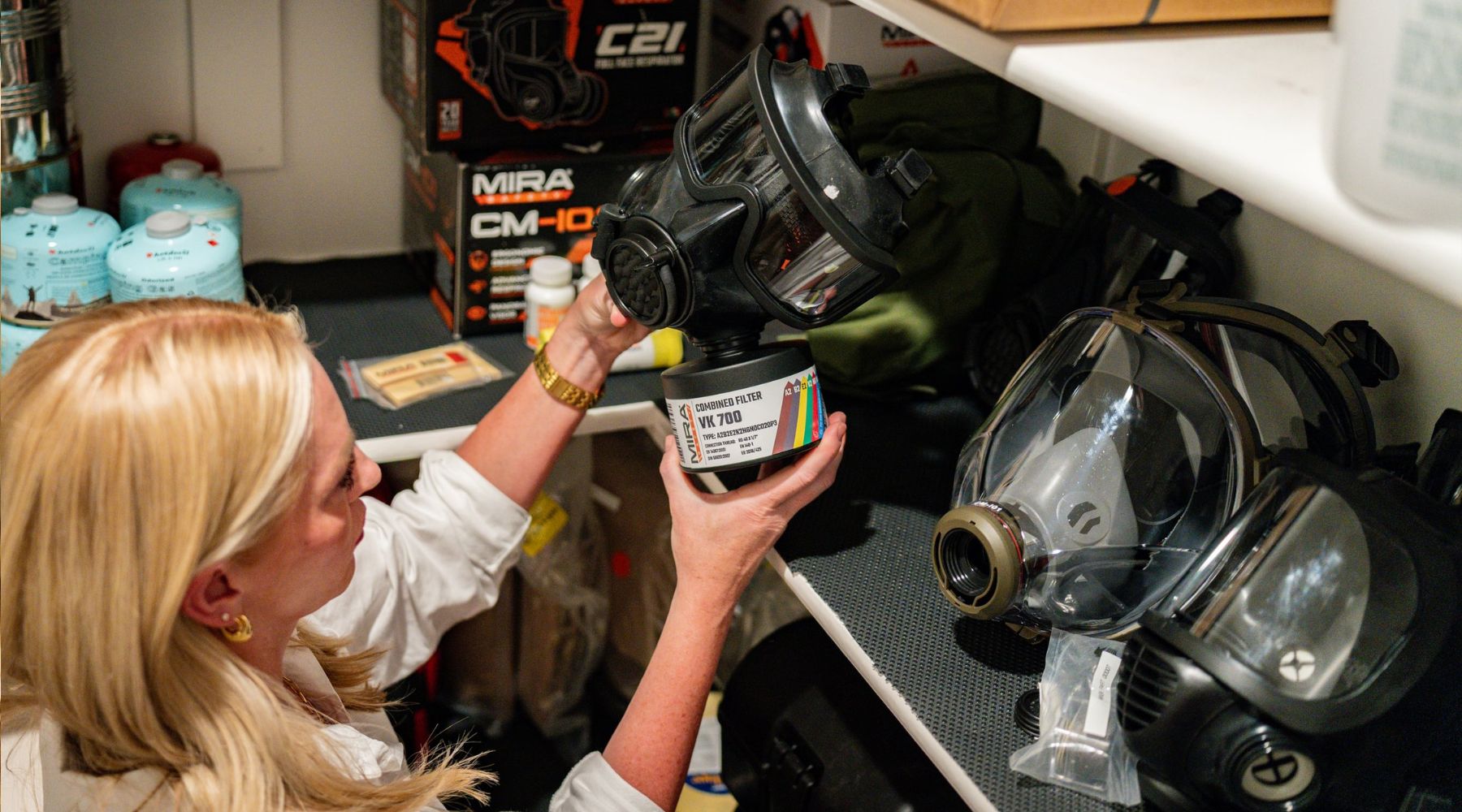
As with any business, MIRA is keeping a close eye on oil prices and the impact of tariffs on our ability to provide our line of preparedness products to the average American citizen. Prepping should be for all and not just the elite and those with high levels of disposable income. Breathing clean air is a basic right for all. As such, we want to keep our customers up to date on the latest information so that you have the knowledge you need to decide what’s best for your family.
How Oil Prices Directly Affect Gas Mask Production How Tariffs Factor In to Gas Mask Production How the Increase in the Price of Oil Affects Prepping Higher Oil Prices Increase the Likelihood of a Major Incident Ongoing Updates: Rising Fuel Costs, Evolving Threats, and PreparednessTable of Contents
This past week, American Airlines CEO stated his organization is preparing for the price of crude oil to rise to $175 a barrel and last through the end of 2027. The current price of oil as of the time of this writing is $98 per barrel. One wouldn’t need to be a master economist to realize that such an increase will have a drastic impact on the production of goods and services. If you know you are flying to Dallas in October, now would be the time to purchase the ticket as opposed to later. We don’t have a crystal ball, but here is how oil prices and tariffs may affect gas mask production in the year to come.
How Oil Prices Directly Affect Gas Mask Production
Unfortunately for the gas mask industry, the modern professional grade gas mask relies heavily on petroleum based products. This includes polycarbonate lenses, ABS/propylene mask bodies, and synthetic rubber seals. It is likely that there will be a trickle down effect from crude oil production to the end product of a gas mask.

It starts with the costs to produce the basic materials of plastic and rubber themselves. It wouldn’t matter whether it was gas masks or tires for your vehicle, when the cost of rubber goes up, so does the end product. In addition, the cost to ship the raw materials and end products go up with any increase in the price of oil. Nearly all large commercial ships use oil-based fuels and nearly 89% of all U.S. transportation.
How Tariffs Factor In to Gas Mask Production
The impact on tariffs is a bit more nuanced as the political landscape around tariffs can be controversial. We’re not here to weigh in on the politics, but to provide insight into the global supply chain. According to the FTC, “Made in USA” labeling requires all significant parts and processing to come from the U.S. The term “significant” leaves a great amount of room for ambiguity regarding the production or importation of any product as it applies to tariffs.

Tariffs on small components like resins, valves or other production parts may still be applicable to a wide array of products. This is true of tariffs applied by the United States and reciprocal tariffs applied by other countries. Whether a product is made or assembled in the U.S. or imported, there is still a chance that tariffs apply. Moreover, with the recent Supreme Court ruling potentially nullifying the tariffs, it remains to be seen how they will impact the gas mask industry. The impact of tariffs is an open ended question for which we are all still awaiting an answer.
How the Increase in the Price of Oil Affects Prepping
While the team here at MIRA Safety® works to mitigate the impact of rising costs, we’re still dedicated to providing free information for the average American looking to stay ready for the worst. If the American Airlines CEO is correct and oil will be above $175 a barrel through the end of 2027, it is going to have an impact across the entire economy. This makes the timing of acquisition an important skill.

It’s really no different than buying a house before the market jumps or purchasing an airline ticket before oil hits $175 per barrel. If you have the ability to act and acquire essential prepping equipment sooner, rather than later, that is a wise choice. That might seem self-serving, given the fact that we sell such products, but it is true of everything you think you may need to survive. For instance, we don’t sell firearms or ammunition. Yet, it is likely the case that the cost of those items will be higher in 2027 than they are today. Look at your budget and be proactive accordingly.
Higher Oil Prices Increase the Likelihood of a Major Incident
The next thing to consider is the fact that the events driving up oil prices increases the likelihood that you will need prepping equipment. With the conflict ongoing in Iran, the likelihood of an Iranian attack in the U.S. has increased. With the Strait of Hormuz effectively shut down, global supply chains are more likely to run short. When supply chains go down, people panic and chaos may ensue. Just take the great toilet paper crisis of 2020 as an example.

As a Marine in Iraq, we were taught to maintain 100% vigilance at all times. That’s a great idea, but the reality is that it is impossible to remain vigilant at all times. When every piece of trash on the side of the road could be an IED or every rooftop couple could be hiding a sniper, the amount of information to process is overwhelming. Particularly when nothing happens 95% of the time. War is 99% waiting around and 1% sheer terror. So what we do is look for cues to increase our awareness and trust our instincts.
We are in such a moment now when it comes to global affairs. The cues are there, and this is the moment to increase our readiness. Iranian sleep cells have long been a concern in the United States. However, if they don’t strike now when we are in open conflict, they likely never will. Oil prices will eventually drop when the Strait of Hormuz is open again. However, today is not that day and supply chains are being impacted right now in real time. If your alert level was set to green, now is the time to raise it to yellow. If your alert level was set to yellow, now is the time to raise it to red. Increased vigilance and preparation, not less, at least for the time being.
Ongoing Updates: Rising Fuel Costs, Evolving Threats, and Preparedness
Prepping is an ongoing affair and, as such, this won’t be the last you hear from us regarding the rising cost of oil and the impact on products important to the prepping community. Our line of gas masks are indeed our flagship products. We believe an impact is coming due to the petroleum based products used in their construction, and the increased cost of shipping due to rising fuel costs. We haven’t seen that yet, but we’ll let you know as soon as we see it coming.
As the conflict in Iran also evolves, we’ll also do our best to keep you updated on the latest threats and possible scenarios as they unfold. Knowledge is power when it comes to survival and whether or not you choose to purchase our products, we offer you the sum of our knowledge for free. We encourage all families to make a plan to survive the worst and practice that plan often.
Frequently Asked Questions
About the author

Leave a comment