
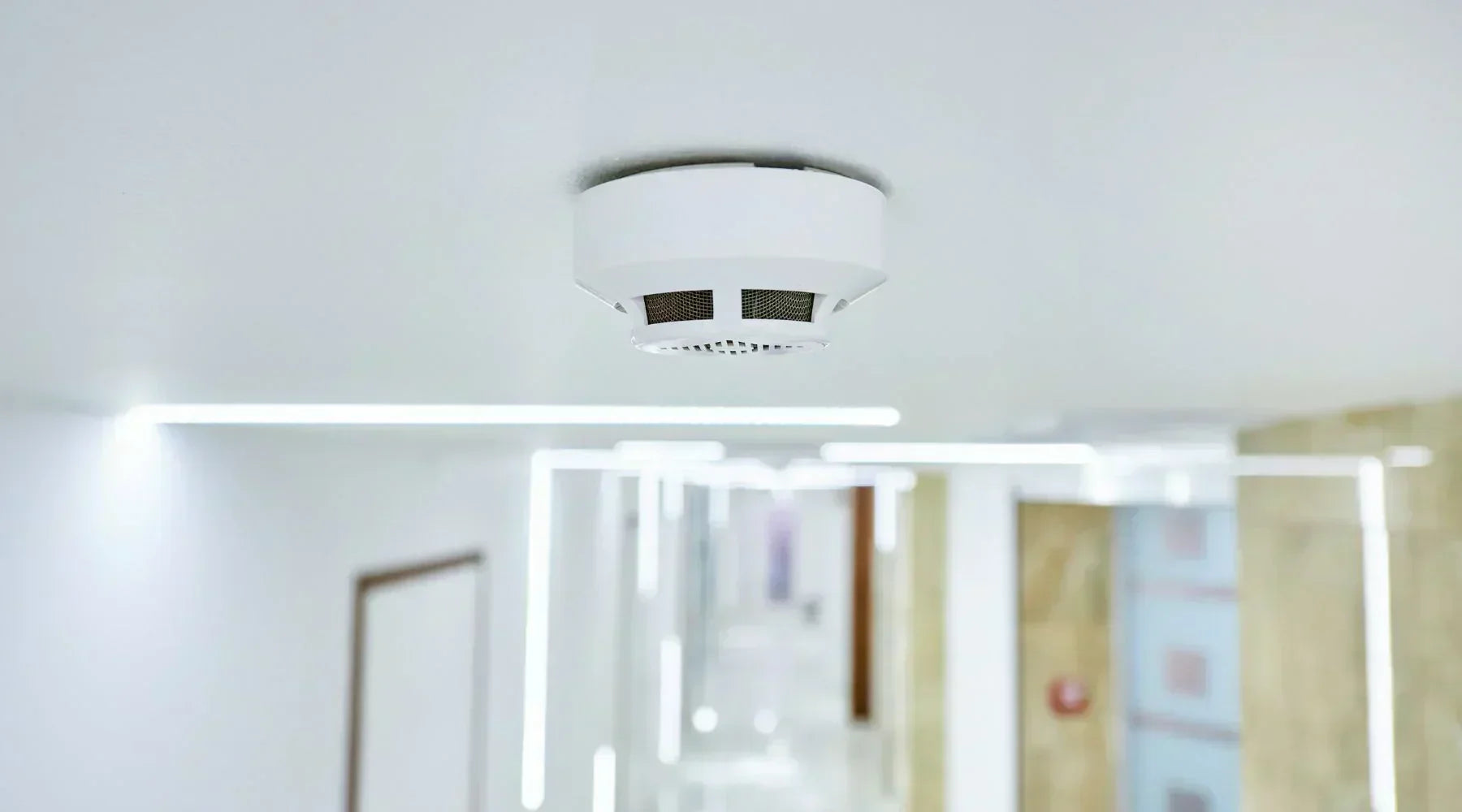
- Carbon monoxide has no smell, no color, and no taste at any concentration.
-
A UL 2034-listed CO detector on every level of the home is the only reliable defense against it.
-
Standard CBRN filters do not stop CO. Only hopcalite-based filters such as the MIRA Safety VK-530 and VK-700 provide short-duration CO escape protection.
Can You Smell Carbon Monoxide? What Does a Carbon Monoxide Leak Smell Like in a House? Why Is Carbon Monoxide Called the Silent Killer? What Are the Early Symptoms of CO Poisoning? How Do Carbon Monoxide Detectors Work? What Are the Common Sources of Carbon Monoxide in a Home? How Can You Prevent Carbon Monoxide Poisoning? What Should You Do If Your Carbon Monoxide Alarm Goes Off? How Often Should You Replace a Carbon Monoxide Detector? Can a Gas Mask Protect Against Carbon Monoxide? Carbon Monoxide: Standards, Chemistry, and RegulationsTable of Contents
Carbon monoxide is odorless, colorless, and tasteless. You cannot smell, see, or taste it. According to the CDC, carbon monoxide sends an estimated 50,000 Americans to the emergency room each year and kills more than 400 in unintentional, non-fire-related exposures.
For that reason alone, we’ll take a break from teaching you about CBRN threats and spend some time talking about this deadly sleeping giant that could show up in the average American’s home on any given day. If you don’t have time for our full comprehensive guide, please know that a carbon monoxide detector is your best protection and we believe that more than one should exist in every home.
Because if you are asking “what does carbon monoxide smell like”, the answer is that it doesn’t and you won’t know you are breathing it until the symptoms show up in the absence of a detector. For those who want to know every aspect of this hidden threat to protect your family, we’ve put together an extensive guide on CO, what early poisoning feels like and which safety gear you need to be sure your family is ready. Let’s jump right in.
Can You Smell Carbon Monoxide?
No. Carbon monoxide is completely odorless, colorless, and tasteless, so the human nose cannot detect it at any concentration. This is the question that most people have as they often confuse CO with a gas leak, which is known to possess that rotten egg smell. The rotten egg smell is the result of a chemical called mercaptan which is added by the gas companies. There is no such safety measure in place for carbon monoxide.

Source: Henry & Co. on Unsplash
Carbon monoxide occurs in the home when the incomplete combustion of carbon based fuels like propane or natural gas occurs in appliances like water heaters, furnaces, and gas stoves. It can also occur in natural substances like wood or charcoal, though those are most often burned outside of the home.
Carbon Monoxide (CO) is a diatomic molecule made of one carbon atom and one oxygen atom joined by a triple bond. As a result of its molecular structure, Carbon Monoxide does not activate receptors humans use to detect smells. That’s why there is no natural warning available that you are breathing the toxic molecule.
Unfortunately, there are many who incorrectly believe that you can smell carbon monoxide. When, in reality, what they are smelling is burning insulation, smoke particles, vehicle exhaust or mercaptan added to natural gas. None of those smells are carbon monoxide and this confusion can prove deadly, particularly when a family is exposed overnight while sleeping.
What Does a Carbon Monoxide Leak Smell Like in a House?
By now, you should be aware that a pure carbon monoxide leak has no smell at all. That doesn’t mean that there may not be small indicators that the process of incomplete combustion is taking place in your home. Possible warnings that this is taking place may include yellow or orange (rather than the healthy blue) pilot lights, flickering flames, excessive condensation near appliances, soot buildup around vents or burners, and stale or stuffy indoor air.

Image source: Envato
If you have any pause or doubt at all, you can call emergency services. If you don’t feel like this is the reasonable next step because your only sign is flickering pilot lights, get everyone out of the house and pick up a detector. Place it in the house and remain outside until you get assurance that the scene is safe. When in doubt, assume the worst until safety is verified.
Why Is Carbon Monoxide Called the Silent Killer?

Carbon monoxide is called the silent killer because it is undetectable to human senses and binds to hemoglobin 200 to 250 times more strongly than oxygen, suffocating victims before they recognize the threat. As mentioned earlier, the CDC reports over 50,000 trips to the emergency room each year due to carbon monoxide poisoning. This is because once inhaled, CO binds to hemoglobin roughly 200 to 250 times more strongly than oxygen (a binding affinity first quantified by Roughton and Darling in 1944). Fetal hemoglobin binds CO with even higher affinity, which is why pregnant women face elevated risk. This forms carboxyhemoglobin which prevents blood from carrying oxygen effectively and interferes with oxygen release to tissues already in circulation. As is the case with any case of oxygen deprivation, organs with high oxygen demand like the brain and heart begin to fail.
Even if you should survive, long term neurological injury is quite common. Some studies, including the landmark Weaver et al. trial published in the New England Journal of Medicine (2002), estimate that 10% to 40% of those who survive CO poisoning experience memory problems, cognitive decline, mood disorders, or motor impairment. We’ve seen this on a large scale with the recent wildfires of the past 10 years where smoke inhalation and CO exposure frequently occur together. If you want to know about this deadly duo, see our companion article on the long-term brain effects of smoke and CO exposure.
What Are the Early Symptoms of CO Poisoning?
The problem with identifying signs of CO poisoning is that early symptoms can feel like a cold or the flu. You know something is happening to you, but it is not easy to discern that it is anything more than a common illness. As such, we’ll try to show you the symptoms of CO poisoning at various levels so that you can recognize the escalation.

Image source: Envato
Symptoms by COHb Saturation Level
-
10% to 20% COHb symptoms include mild headache, fatigue, and shortness of breath during exertion.
-
20% to 30% COHb symptoms include throbbing headache, nausea, dizziness, and impaired judgment.
-
30% to 40% COHb symptoms include severe headache, vomiting, confusion, difficulty concentrating
-
40% to 50% COHb symptoms include rapid heartbeat, collapse, syncope, loss of coordination.
-
50%+ COHb symptoms include seizures, coma, respiratory failure and death.
Children, elderly individuals, pregnant women, and people with heart or lung disease may experience symptoms earlier and at lower concentrations. While CO poisoning at the lowest levels may be confused with a common illness, sudden nausea, dizziness, and confusion does not occur randomly on its own. If nothing else this should be your warning sign to get outside and find clean air. If symptoms improve rapidly after leaving the building, this should be your clue that carbon monoxide was involved and emergency services should be contacted.
How Do Carbon Monoxide Detectors Work?

A carbon monoxide detector is an electronic device that continuously samples ambient air and triggers an alarm when CO concentration exceeds thresholds defined by UL 2034. Without a doubt, your best protection against CO poisoning is to have multiple CO detectors on every level of your house. Trying to interpret a headache and discern whether it is carbon monoxide related is far too ambiguous. A properly rated detector will measure CO concentration and trigger an alarm when exposure exceeds thresholds defined by UL 2034 (the standard governing single- and multiple-station residential CO alarms; UL 2075 covers system-connected commercial detectors) and NFPA 72. There is no guess as if the alarm goes off, it is time to get your family and any pets out of the house immediately.
The Three Main CO Detector Technologies
-
Electrochemical sensors. The most common residential technology. CO reacts inside the sensor and generates a current proportional to gas concentration.
-
Biomimetic sensors. A gel inside the detector changes color when exposed to CO, and the color shift triggers the alarm.
-
Metal oxide semiconductor sensors. Heated silica chips change electrical resistance in the presence of CO gas.
UL 2034 Alarm Thresholds
It is important to note that residential alarms are designed to prevent going off when miniscule elements of carbon monoxide are detected. There is an established threshold that constitutes a danger and they are defined by the UL 2034 standard below:
-
70 ppm within 60 to 240 minutes
-
150 ppm within 10 to 50 minutes
-
400 ppm within 4 to 15 minutes
Placement Requirements
There are also recommendations regarding the installation of detectors. These are standardized in the National Fire Alarm and Signaling Code NFPA 72. It is incumbent upon the home owner to review these standards as CO detectors are not automatically installed in homes. Those recommendations are as follows:
-
On every level of the home
-
Within 10 feet of sleeping areas
-
Near attached garages
-
Near fuel burning appliances
To help mitigate false alarms, avoid placing directly above fireplaces or gas stoves where temporary spikes are likely.
What Are the Common Sources of Carbon Monoxide in a Home?

Image source: Envato
Every modern household has the potential for carbon monoxide poisoning as you’ll be hard pressed to find a household that doesn’t use one or more of these appliances/devices. The most common sources of CO include:
-
Furnaces
-
Water heaters
-
Gas stoves
-
Fireplaces
-
Charcoal grills
-
Portable generators
-
Space heaters
-
Wood stoves
-
Running vehicles in attached garages
-
Lawn equipment
For the average prepper who spends plenty of time and resources preparing to defend against CBRN threats, it would be a shame to have them harmed by the space heater in their home. Unfortunately, it is the innocuous nature of these threats that make them so deadly. It could be running your car in a closed garage or failure to ensure proper chimney ventilation that causes a build up of CO. That’s why every home should be prepared to detect this threat.
How Can You Prevent Carbon Monoxide Poisoning?
The most common steps a prepared citizen can take against this threat is to focus on early detection, proper ventilation, and proper appliance maintenance. You may think the HVAC company is simply trying to upsell you on annual maintenance programs, but there is a solid safety justification for securing such services. Other key prevention steps are as follows:

Image source: Envato
-
Install CO detectors on every level of the home
-
Test detectors every six months
-
Replace expired detectors promptly
-
Schedule furnace and chimney inspections every 1 to 2 years
-
Never run generators indoors or in garages
-
Never grill indoors
-
Keep vents and flues unobstructed
-
Inspect pilot lights regularly
-
Avoid idling vehicles inside garages
Portable generators are a big one as people often neglect to realize how they are producing electricity. During power outages, people may run them in a space protected from the outside elements without recognizing how much CO it puts out. Only run them outdoors and keep them 20 feet from windows and doors. When buying a new unit, look for compliance with ANSI/PGMA G300-2018 or UL 2201 (effective 2023), the standards that mandate automatic CO shutoff sensors on portable generators.
What Should You Do If Your Carbon Monoxide Alarm Goes Off?
Now, let’s say that you’ve taken the proper precautions and you have a detector on every level of your house. What do you do when you hear it go off? It is unwise to attempt to locate the leak before evacuation and as such, when you hear the detector, it is time to leave.

Image source: Envato
Immediate Steps
-
Leave the building immediately
-
Bring pets with you
-
Call 911 if anyone has symptoms
-
Contact your gas company
-
Do not re-enter until cleared by authorities
Symptoms requiring emergency medical attention include:
-
Headache
-
Dizziness
-
Confusion
-
Chest pain
-
Vomiting
-
Loss of consciousness
If anyone collapses or becomes unresponsive, call emergency services immediately. Note that carboxyhemoglobin has a half-life of roughly 4 to 5 hours on room air, about 80 minutes on 100% oxygen via a non-rebreather mask, and roughly 20 minutes under hyperbaric oxygen, which is why EMS administers high-flow oxygen on scene. Plan for a CO incident and incorporate it into your well rehearsed home fire escape plan.
How Often Should You Replace a Carbon Monoxide Detector?
Replace residential CO detectors every 5 to 7 years, or sooner if the test button fails or the unit emits the common end of life chirp. Remember, this is the responsibility of the home owner. If you are renting, detectors are often required by state law, but not in all of them. Federally-assisted housing has been covered nationally since December 2022 under HUD's CO detector rule (24 CFR 5.713). Research your state law and hold your landlord accountable if one is not provided.
Signs a CO Detector Needs Replacement
-
Constant chirping (end of life chirp)
-
Failed test button
-
Expired manufacturer date
-
Random false alarms
-
Physical damage
It may help to write the replacement date directly on the detector where you can see it with a permanent marker when installing it. Otherwise, it can be commonly overlooked. Also, don’t forget to test detectors every six months using the test button.
Can a Gas Mask Protect Against Carbon Monoxide?
A gas mask can protect you against carbon monoxide, but only if it is using a filter designed to protect against carbon monoxide. This is a common mistake as people assume a filter designed to protect against a sarin gas attack can surely handle a little CO. This is not the case and we’ll break down what you need to know.

Why Standard Gas Mask Filters Fail Against CO
Most military and civilian CBRN filters are great at removing the following threats.
-
Particulates
-
Organic vapors
-
Chemical warfare agents
-
Toxic industrial chemicals
However, they do not remove carbon monoxide because they often do not include a material known as Hopcalite. CBRN filters are engineered for chemical warfare agents and particulates, not for carbon monoxide. Stopping CO requires a different filter chemistry entirely.
What Is Hopcalite?

Hopcalite is a granular catalyst that converts carbon monoxide into carbon dioxide through catalytic oxidation in the presence of oxygen. Developed during World War I through a joint effort between Johns Hopkins University chemists (J.C.W. Frazer and A.B. Lamb) and the U.S. Bureau of Mines, it remains one of the few materials capable of neutralizing CO inside a respirator filter. CO2 is produced by humans everyday as we breathe and is an essential element to plant life on planet earth.
Hopcalite filters provide only limited duration protection and require sufficient oxygen in the surrounding atmosphere to function.Note that they do not produce oxygen, make oxygen deficient environments breathable, or allow fire entry operations. They are designed for escape and evasion from a dangerous area.
CO-Rated Escape Filters
As it pertains to MIRA products, MIRA Safety currently offers two Hopcalite-based filters designed for smoke and CO escape scenarios. They are as follows:
VK-530 smoke and carbon monoxide filter
-
EN 14387 certified
-
40 mm NATO compatible
-
Rated for 5,000 ppm CO for 15 minutes
-
Aluminum housing
-
5 year shelf life
-
Rated for 5,000 ppm CO for 15 minutes
-
Dent-resistant plastic housing
-
Reformulated Hopcalite chemistry
-
10-year shelf life
They are compatible with any 40mm NATO respirator that accepts standard threaded filters. You can check out our full line of MIRA Safety filters here as having multiple filters can serve a variety or purposes depending on the mission.
Carbon Monoxide: Standards, Chemistry, and Regulations
If you are the type of person who enjoys doing your own research and you’d like to learn more about carbon monoxide, you can use the below guide to help you track the various definitions and regulatory standards that you can look up online.
Chemical Identity
Carbon monoxide (CO) is a colorless, odorless, tasteless gas produced by incomplete combustion of carbon-based fuels.
OSHA and NIOSH Exposure Limits
-
OSHA Permissible Exposure Limit (PEL): 50 ppm averaged over 8 hours (29 CFR 1910.1000 Table Z-1)
-
NIOSH Recommended Exposure Limit: 35ppm TWA
-
NIOSH ceiling limit: 200ppm
-
IDLH threshold: 1,200 ppm
EPA Air Quality Standards
The EPA National Ambient Air Quality Standards (NAAQS) for carbon monoxide are:
-
9 ppm over 8 hours
-
35 ppm over 1 hour
These levels may not be exceeded more than once annually.
Detector Standards
Residential carbon monoxide alarms are governed primarily by:
-
UL 2034
-
NFPA 72
-
Former NFPA 720 requirements
These standards regulate:
-
Alarm thresholds
-
Detector placement
-
Maintenance schedules
-
End-of-life replacement requirements
Frequently Asked Questions